Air-Force.ca's Fallen Comrades

They shall grow not old, as we that are left grow old


The Royal Canadian Regiment
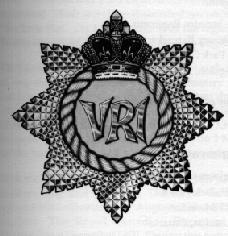


Armorial Description

An eight-pointed diamond cut star; upon the star a raised circle surmounted by the Crown; within the raised circle, the block letters VRI, the Imperial Cypher of Queen Victoria.


Official Abbreviation: The RCR

Motto: Pro Patria (For Country)


Battle Honours (54)

Early History

    SASKATCHEWAN
    NORTH-WEST CANADA, 1885
    PAARDEBERG
    SOUTH AFRICA, 1899-1900
First World War
    YPRES, 1915, '17
    Gravenstafel
    St. Julien
    Festubert, 1915
    MOUNT SORREL
    SOMME, 1916
    Pozieres
    Flers-Courcelette
    ANCRE HEIGHTS
    Arras, 1917, '18
    VIMY, 1917
    Arleux
    Scarpe, 1917, 1918
    HILL 70
    PASSCHENDAELE
    AMIENS
    Drocourt-Queant
    HINDENBURG LINE
    Canal du Nord
    Cambrai, 1918
    PURSUIT TO MONS
    France and Flanders, 1915-1918
Second World War
    LANDING IN SICILY
    Valguarnera
    Agira
    Adrano
    Regalbuto
    Sicily, 1943
    Landing at Reggio
    MOTTA MONTECORVINO
    Campobasso
    Torella
    SAN LEONARDO
    The Gully
    ORTONA
    Cassino II
    Guatav Line
    Liri Valley
    HITLER LINE
    GOTHIC LINE
    LOMONE CROSSING
    Misano Ridge
    RIMINI LINE
    San Martino-San Lorenzo
    Pisciatello
    Fosso Vecchio
    ITALY, 1943-1945
    Appeldoorn
    NORTH-WEST EUROPE, 1945
Korea
    KOREA, 1951-1953

Order of Precedence: 1
Options:
Go back to the Infantry Regiments page.
Go back to the Army home page.
Military Word Of The Day
ATV
:
all-terrain vehicle


» Download the iPhone/iPad Military Terms app! «


Today in Military History

January 13


1842:

The British Army suffered its worst disaster in the nineteenth century with the retreat from Kabul during the First Afghan War, which reached its bloody climax on 13 January. The retreat started from Kabul on 6 January, 4,500 British and Indian troops, with 12,000 camp followers setting out for Jalalabad under Major General Elphinstone. Harassed the whole way, with horrendous losses, the last survivors, mainly from the British 44th Foot, made a last stand at Gandamak near Jagdalak Pass. Only one man escaped the carnage, Dr William Brydon, the sole survivor of a small cavalry force that attempted to break out.  He reached the safety of Jalalabad on his badly wounded pony, which died as it reached the gate - the inspiration for Lady Butler's famous painting "The Remnants of an Army".


1871:

Le Regiment de Joliette is organized as 'The Joliette Provisional Battalion of Infantry'


1896:

The Honourable Alphonse Desjardins is appointed Minister of Militia and Defence


1940:

Belgium and Netherlands order "state of readiness" in expectation of German invasion


1942:

U-Boat offensive along US East coast begins


» Download the iPhone/iPad Military History app! «


Advertising